

Brush control: Improving Groundwater Recharge
Thoughtful brush management can increase infiltration, conserve water, and restore healthy rangelands across the Middle Trinity region.
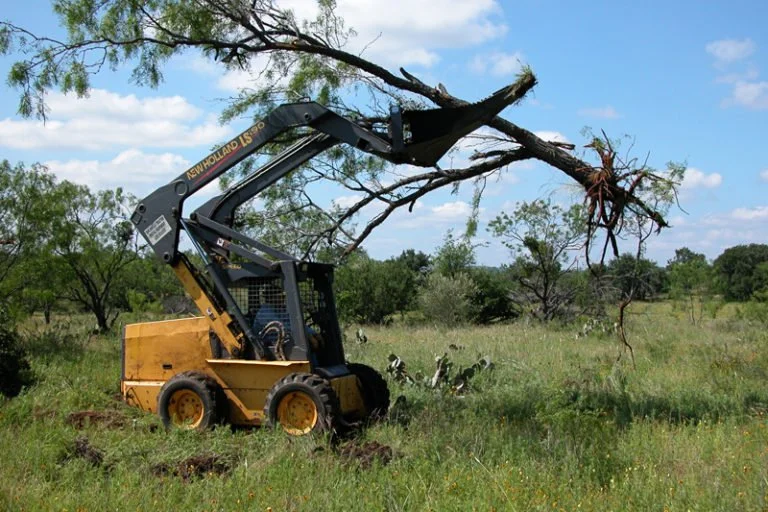
Brush Control/Management includes the removal, reduction, or manipulation of nonherbaceous plants by mechanical methods, chemical treatment, biological methods, prescribed burning, or combinations of these methods to achieve the desired plant community.
What is Brush Control?
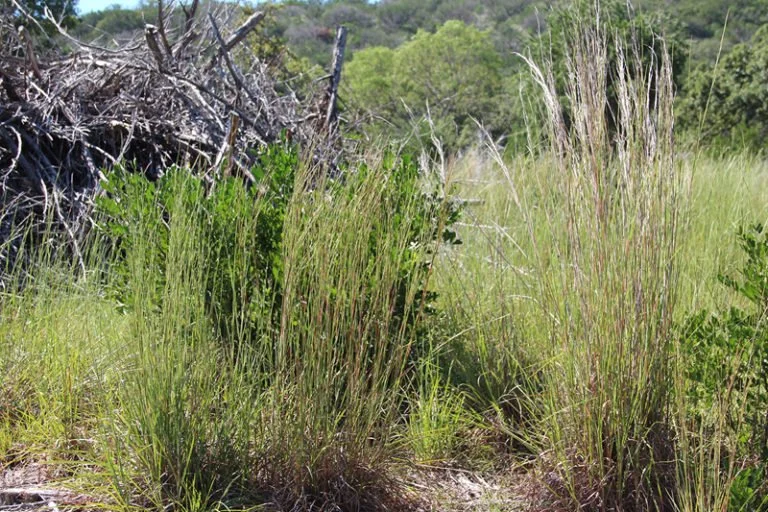
Managing brush helps conserve water by reducing the amount lost to deep-rooted woody plants, which allows more rainfall to soak into the soil and recharge aquifers. It also improves pasture quality for livestock and wildlife, supports native plant communities, and reduces wildfire risks by preventing excessive brush buildup.
Why it Matters
Treatment Options
Specific treatments require training, permits, or licensed professionals. Ensure all chemical applications follow Texas regulations and label directions. Prescribed burns require coordination with local fire authorities.
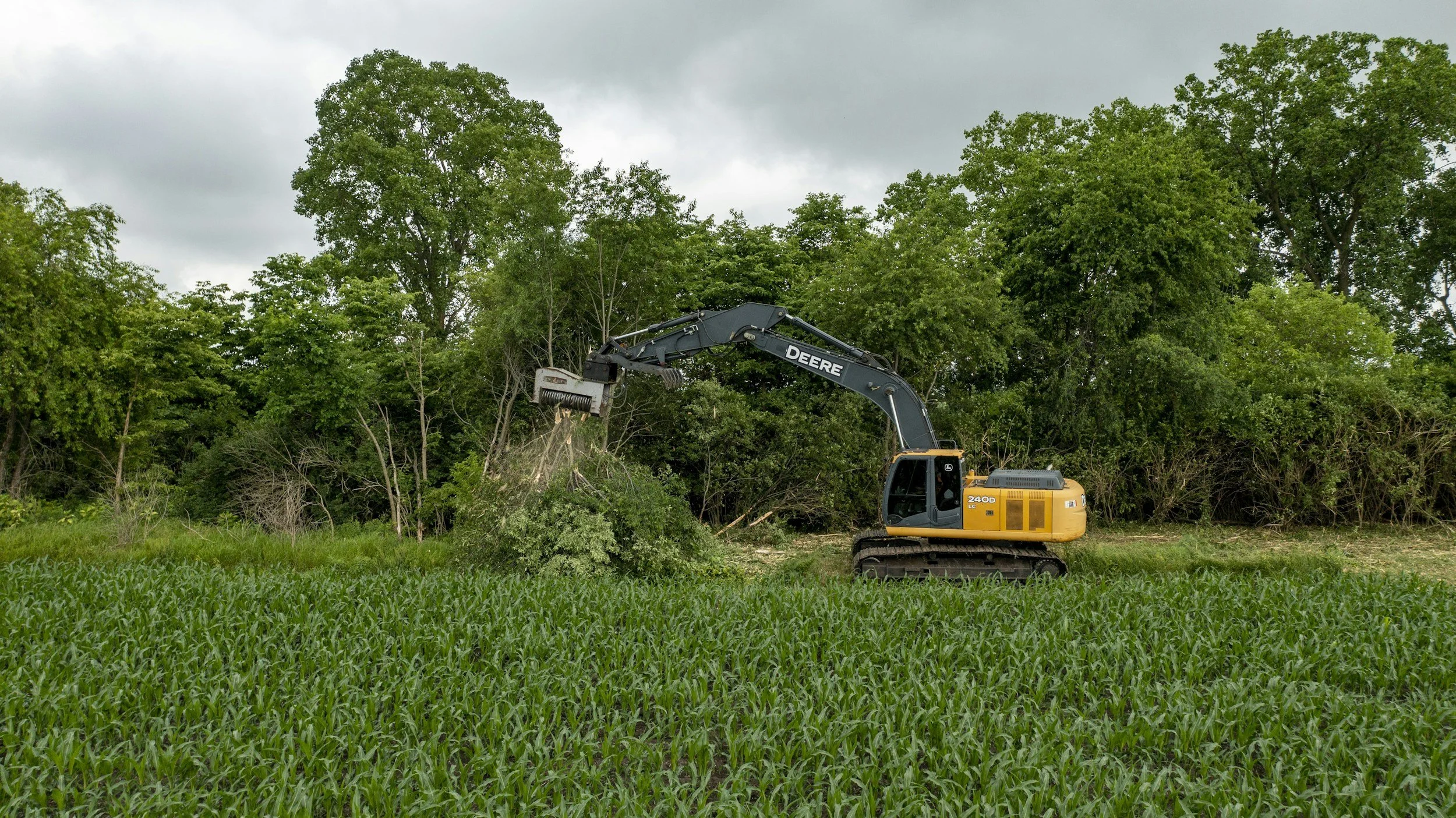
Mechanical
Cutting, shearing, or mulching brush for immediate removal. Best for dense regrowth; can disturb soil.

Chemical
Selective herbicides are applied by licensed applicators for targeted control and minimal soil disturbance.
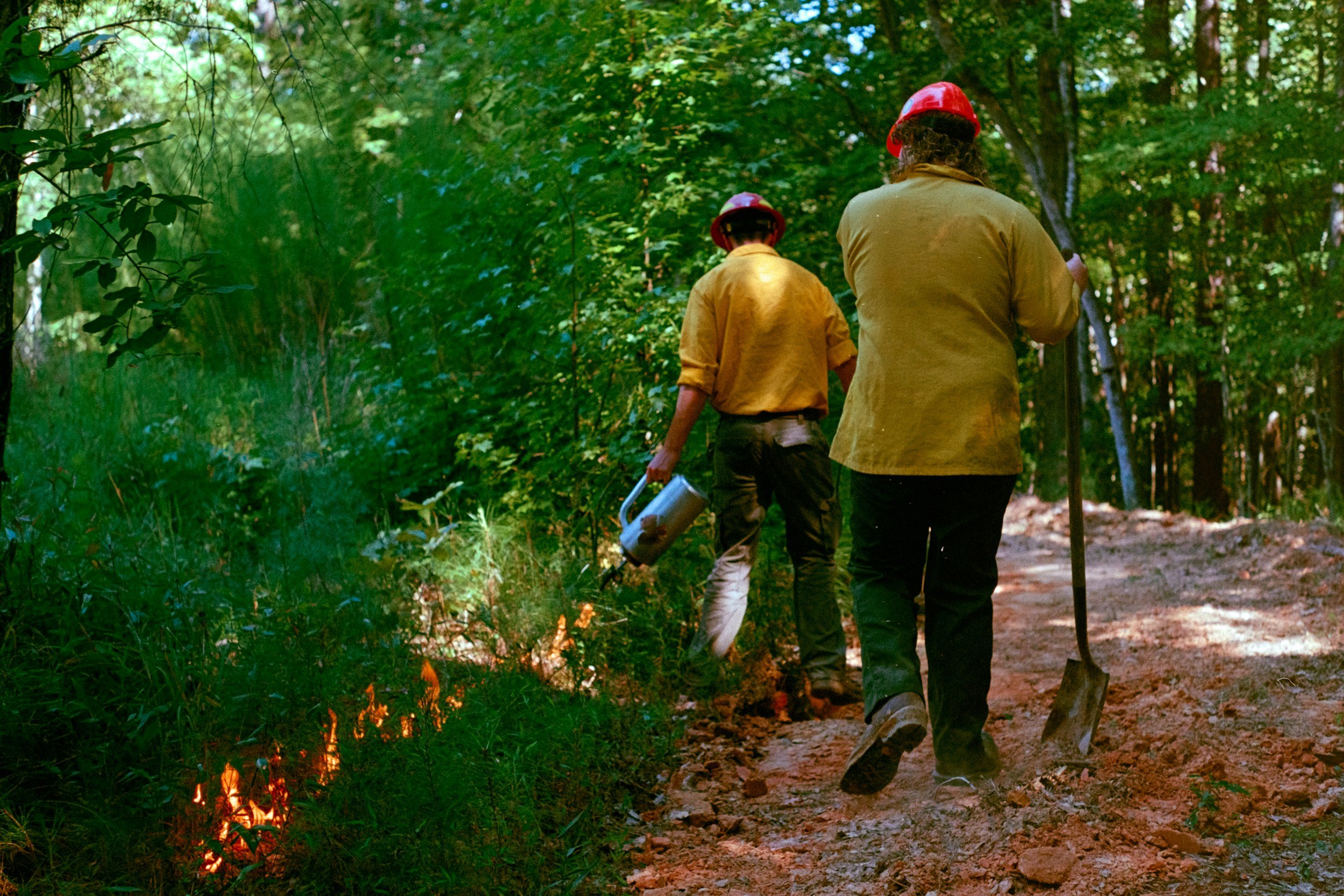
Prescribed Fire
Cost-efficient method to maintain open rangeland when performed by trained crews with permits.

Biological
Use of grazing animals or natural controls to suppress young brush. This method works gradually over time.